Bukken Box
May 27, 2026

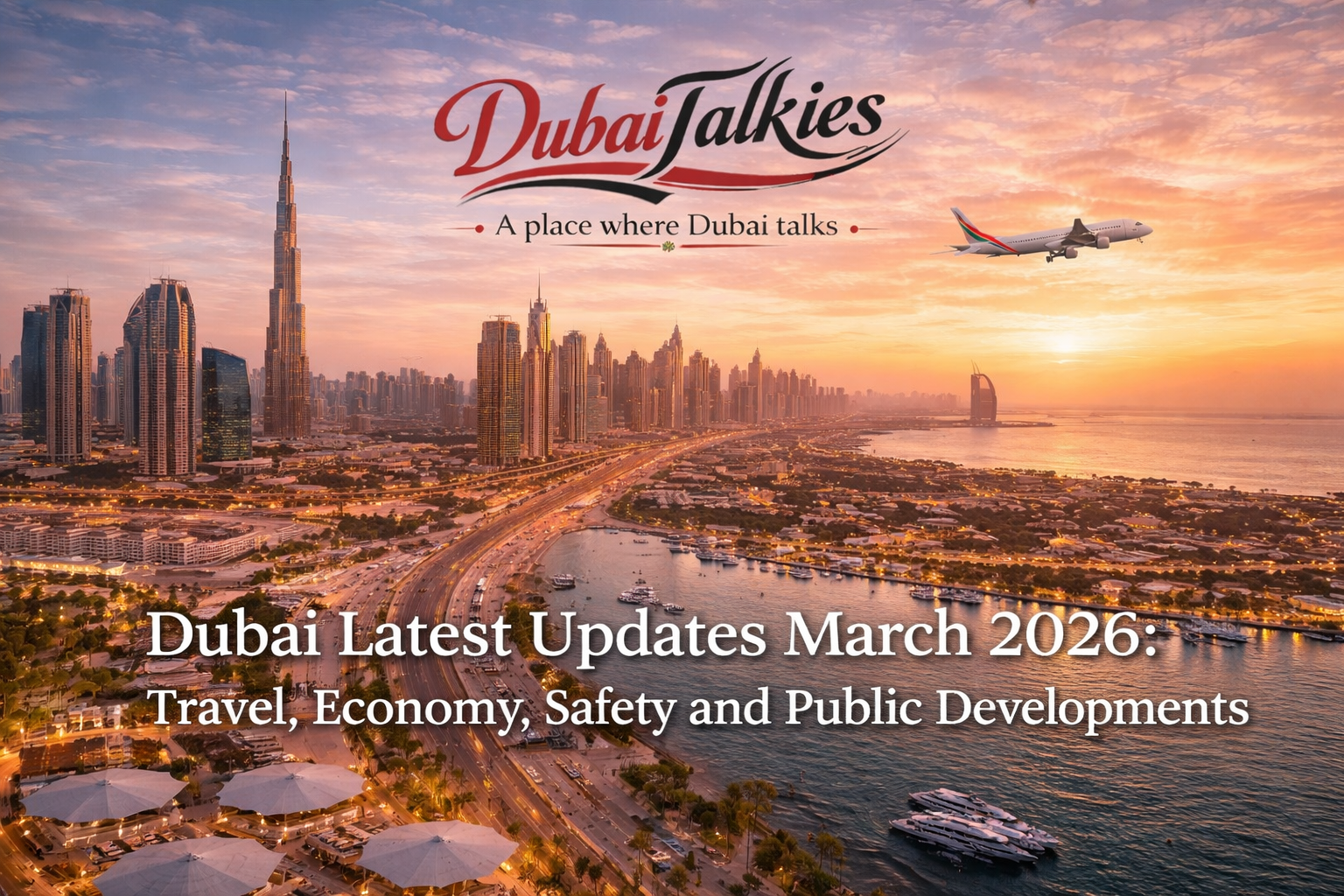
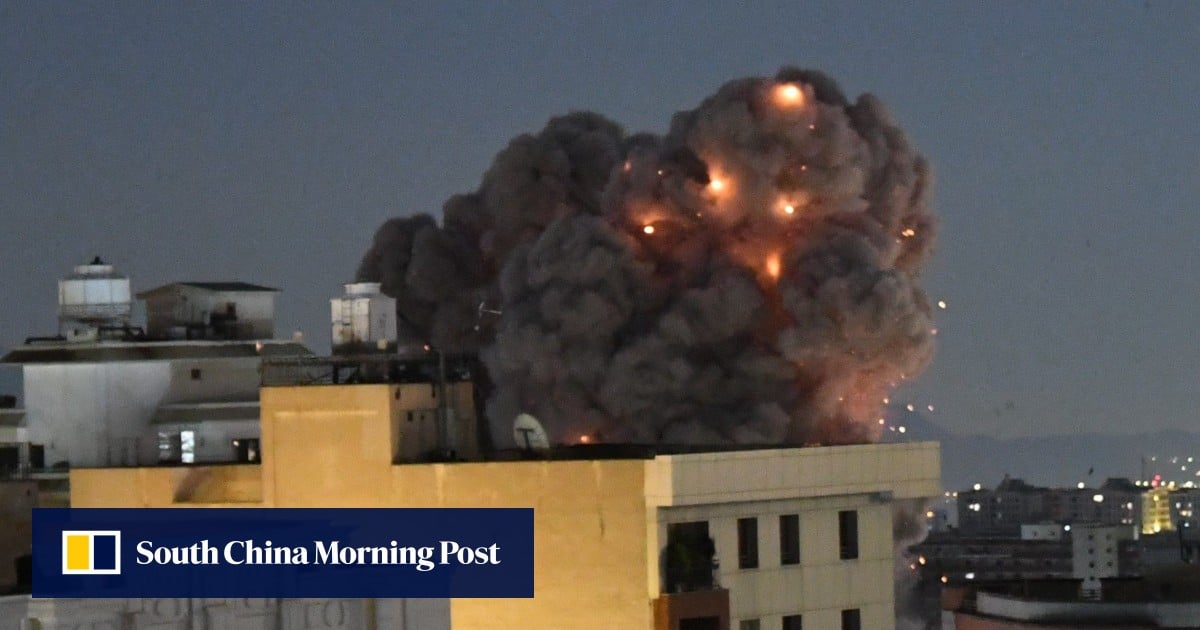
Dubai continues to stand as one of the world’s most dynamic cities, known for its global connectivity, economic diversification, tourism leadership, and modern infrastructure. In recent weeks, increased geopolitical tension across parts of the broader Middle East has drawn international media attention. As a result, many travelers, investors, and residents are seeking clarity about the situation in Dubai and the United Arab Emirates.
As of March 2026, Dubai remains fully operational. Public services are functioning normally, airports are open, businesses are active, and major tourist attractions continue to welcome visitors. While regional developments have prompted precautionary monitoring and minor operational adjustments in certain sectors, there has been no confirmed disruption to daily life within the emirate.
This comprehensive update outlines the current status of aviation, tourism, financial markets, infrastructure, business activity, and public safety to provide a clear and factual overview.
Dubai is home to Dubai International Airport (DXB), one of the busiest international passenger airports in the world, and Al Maktoum International Airport (DWC). Due to broader regional airspace monitoring across parts of the Middle East, some airlines have adjusted flight paths as a precautionary safety measure. These route adjustments are common in global aviation during periods of heightened geopolitical awareness and are coordinated through international aviation authorities.
Despite temporary rerouting by certain carriers, Dubai’s airports continue to operate normally. Flight arrivals and departures are proceeding according to schedule, with airlines providing real-time updates directly to passengers. Aviation authorities in the UAE maintain strong coordination with international regulators to ensure safety remains the top priority.
Passengers traveling to or from Dubai are advised to verify flight status through official airline websites or airport platforms. However, there are no confirmed closures of Dubai’s airports, and there is no official restriction on travel to the city.
Dubai’s aviation sector remains resilient due to advanced air traffic systems, strong contingency planning, and international partnerships that support operational continuity.
Tourism is one of Dubai’s most important economic pillars. The city has invested heavily over the past two decades in hospitality, entertainment, retail, and event infrastructure. As of now, hotels, resorts, and serviced apartments continue to operate normally across the city.
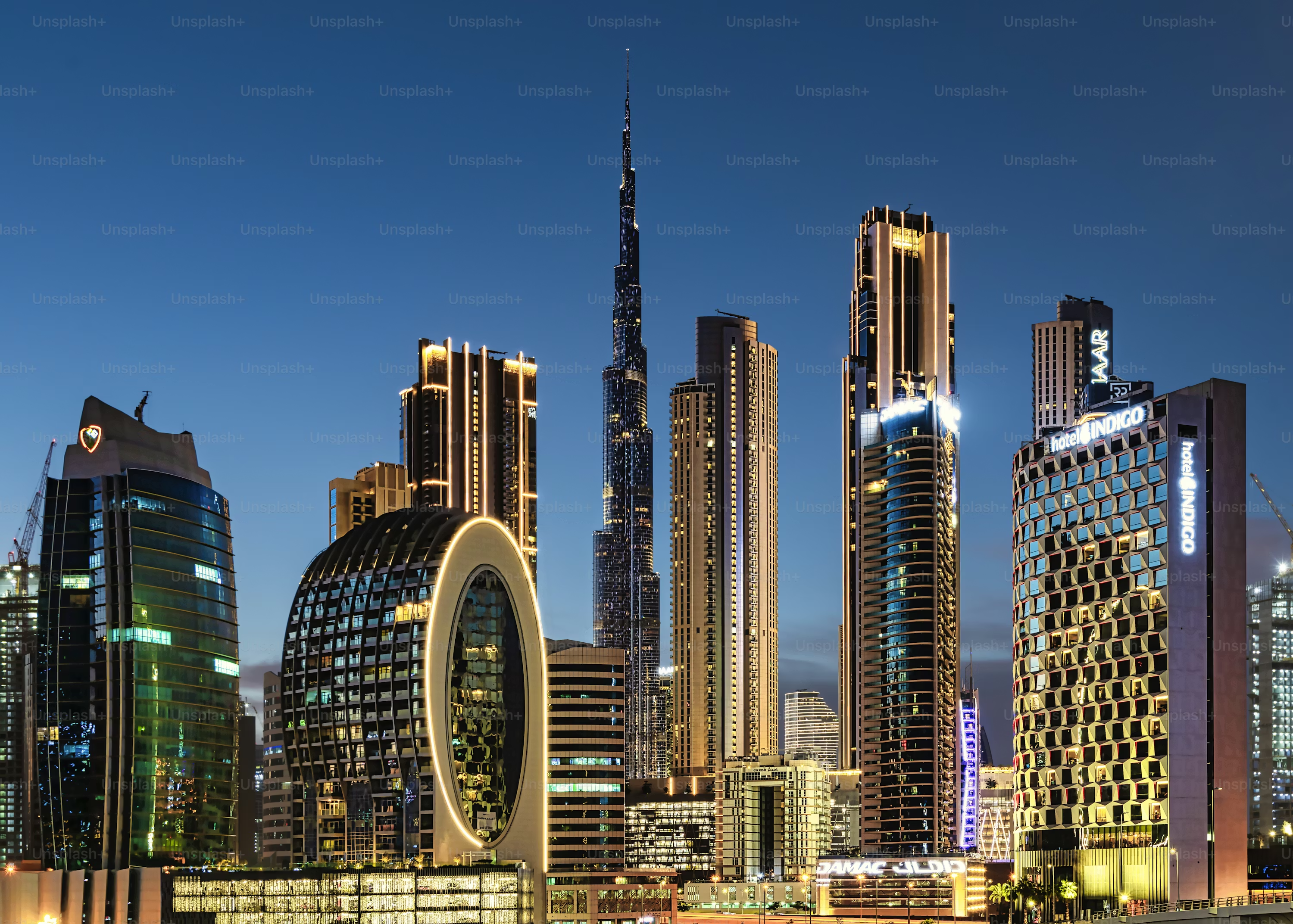
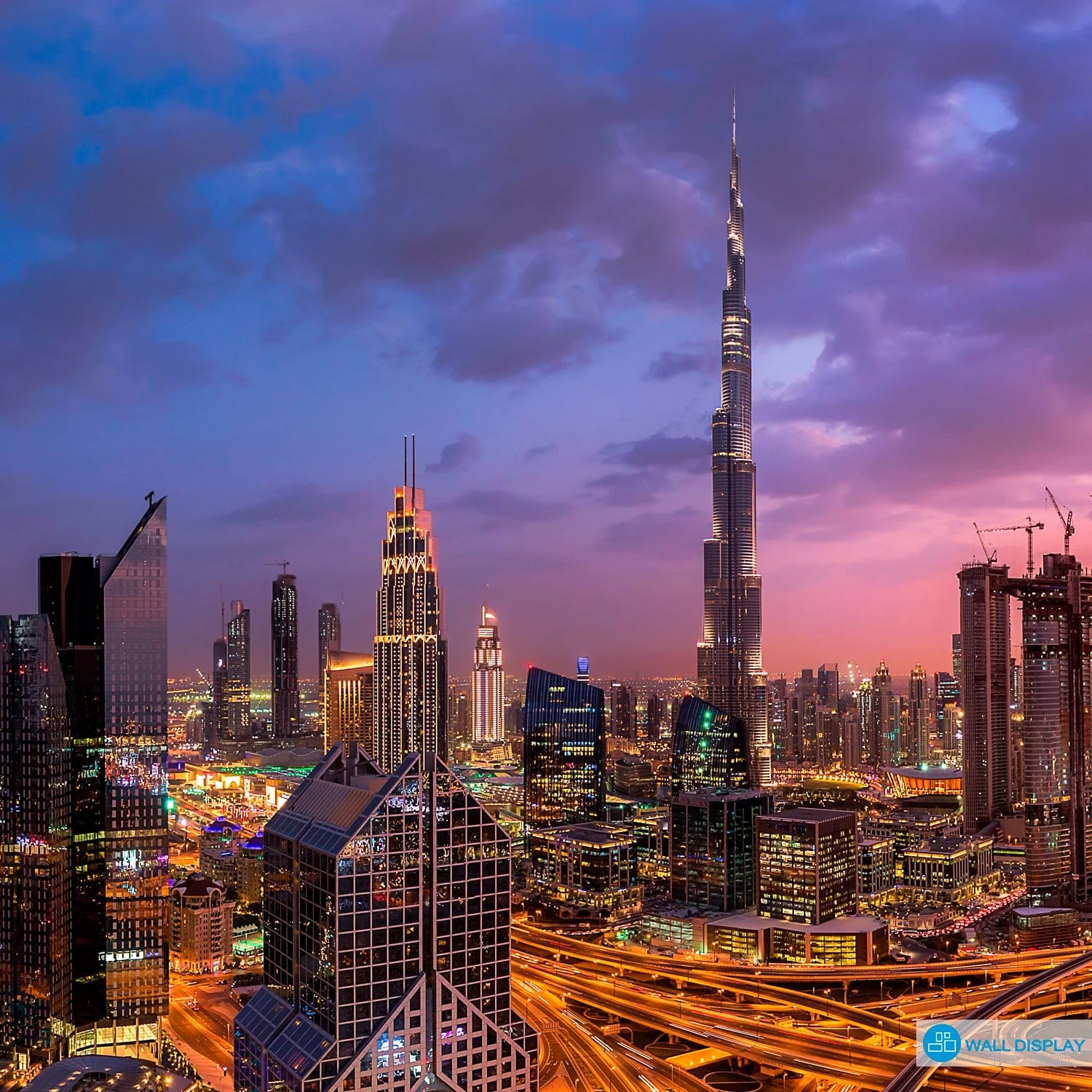
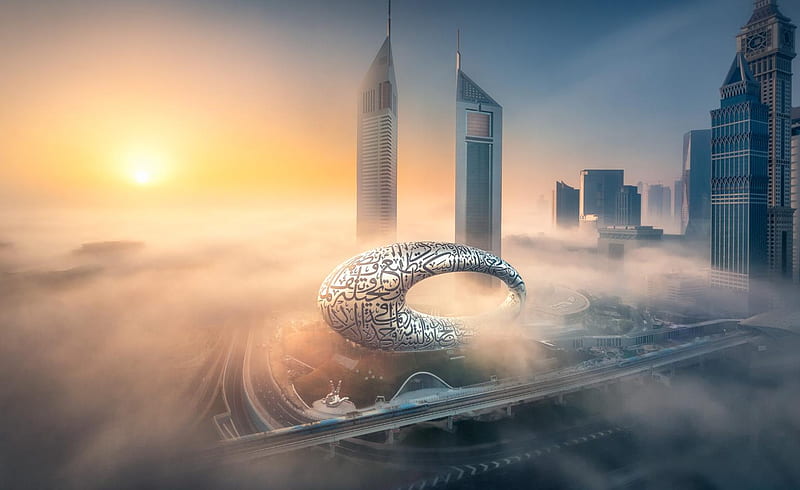
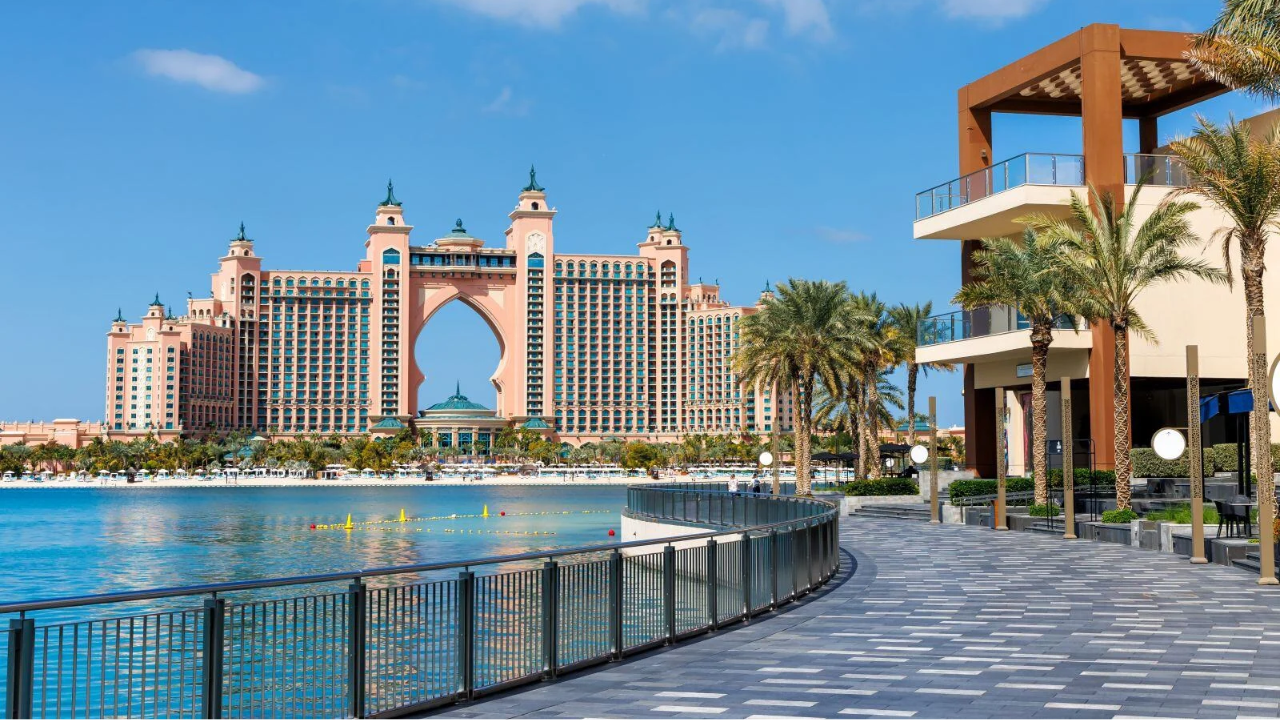
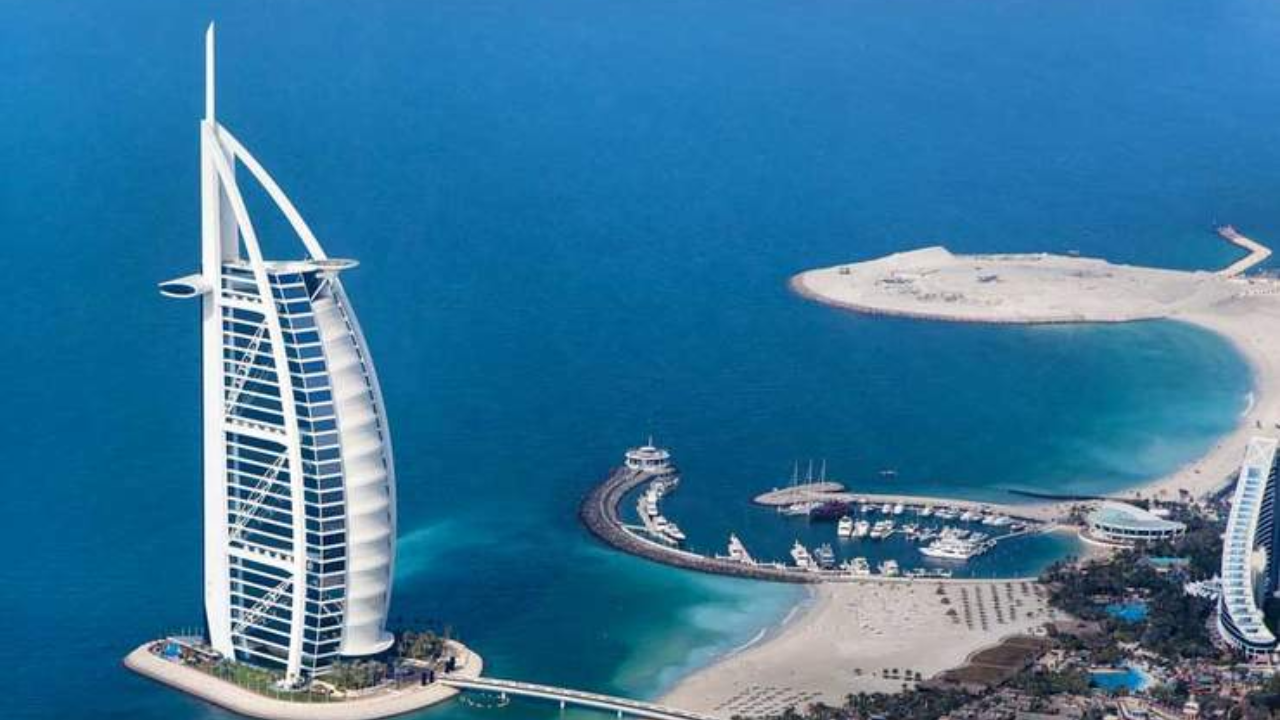
Major attractions such as Burj Khalifa, Dubai Mall, Palm Jumeirah, Dubai Marina, Museum of the Future, Global Village, and Expo City Dubai remain open to visitors. Restaurants, beach resorts, desert safari tours, theme parks, and waterparks are functioning without interruption.
While international headlines about regional developments may influence travel sentiment in some markets, there has been no official travel ban or advisory issued specifically against Dubai by UAE authorities. Tourism operators continue to report steady visitor activity, particularly from Europe, Asia, and neighboring GCC countries.
Dubai’s tourism model is built on flexibility and rapid adaptation. The city previously demonstrated strong recovery during global challenges such as the COVID-19 pandemic, reinforcing its ability to manage unexpected events efficiently.
Dubai’s economy is diversified across trade, finance, tourism, real estate, logistics, technology, and aviation. During periods of geopolitical uncertainty, global financial markets often experience short-term volatility. However, Dubai’s regulatory framework and economic diversification help mitigate systemic risks.
The Dubai Financial Market continues operations under established oversight mechanisms. Market fluctuations, when they occur, reflect broader global investor sentiment rather than localized instability within Dubai itself.
The UAE Central Bank and financial regulators maintain liquidity monitoring and policy oversight to ensure stability in banking and capital markets. Dubai’s banking sector remains well-capitalized and compliant with international regulatory standards.
Economic analysts note that Dubai’s diversified revenue base reduces dependency on any single sector, strengthening resilience during global or regional uncertainties. Trade flows through Jebel Ali Port and logistics corridors continue uninterrupted, reinforcing Dubai’s status as a major global trade hub.
Retail centers across Dubai, including Dubai Mall, Mall of the Emirates, City Centre Mirdif, and Ibn Battuta Mall, continue to operate with regular business hours. International brands, local retailers, and hospitality businesses remain open and active.
Commercial districts such as Downtown Dubai, Business Bay, Dubai International Financial Centre (DIFC), and Jumeirah Lake Towers continue daily operations. Corporate offices, co-working spaces, and financial institutions report normal activity levels.
Business continuity planning is a standard component of corporate governance in Dubai. Companies maintain contingency strategies to ensure operational stability during external uncertainties. This planning allows businesses to adapt quickly if necessary while maintaining services and communication with customers.
There have been no confirmed widespread closures of international brands within Dubai. Retail footfall remains consistent, particularly in high-traffic areas and tourist districts.
Dubai’s infrastructure remains fully operational. Utilities including electricity, water supply, and telecommunications services continue uninterrupted. The city’s advanced infrastructure management systems allow authorities to monitor essential services in real time.
The Roads and Transport Authority confirms that the Dubai Metro, tram system, buses, and taxi services are operating normally. Road networks remain open, and there are no restrictions on mobility within the city.
Healthcare facilities, including public and private hospitals, continue standard operations. Emergency services remain on alert as part of routine preparedness protocols but have not reported abnormal activity levels.
Dubai’s civil defense and emergency management authorities consistently maintain preparedness plans designed to respond quickly to any unforeseen situations. These systems contribute to overall public confidence and stability.
Public safety remains a central priority for UAE authorities. Government agencies continue to monitor regional developments and provide verified updates through official communication channels.
Authorities have encouraged residents and visitors to rely on credible information sources rather than unverified social media content. During periods of heightened international news coverage, misinformation can circulate rapidly. Officials have emphasized the importance of consulting recognized media outlets and official government statements.
Dubai has consistently ranked among the safest cities globally due to its strict regulatory environment, effective law enforcement, and strong public governance systems. There have been no official announcements indicating elevated threat levels within the city itself.
Dubai’s real estate market continues to show stability. Property transactions, off-plan developments, and commercial leasing activities remain active. International investors continue to view Dubai as a long-term strategic destination due to its favorable tax environment, strong infrastructure, and global connectivity.
Developments across areas such as Dubai Hills Estate, Downtown Dubai, Palm Jumeirah, and Dubai South continue construction as scheduled. Investor sentiment remains steady, particularly in residential and mixed-use developments.
Foreign direct investment remains supported by business-friendly policies, long-term residency programs, and transparent regulatory frameworks. Dubai’s leadership continues to promote innovation and economic diversification under long-term strategic planning initiatives.
Jebel Ali Port, one of the largest ports in the region, continues full operations. Shipping routes remain active, and cargo processing continues according to schedule. Dubai’s logistics sector plays a critical role in connecting Asia, Europe, and Africa.
Trade corridors through Dubai International Airport and maritime channels remain functional. There have been no confirmed interruptions to cargo movement or supply chain operations within the emirate.
The UAE’s strategic geographic location allows for flexible routing options in global logistics networks, which strengthens resilience during regional challenges.
Dubai has historically demonstrated the ability to navigate global economic shifts, regional instability, and international crises. From the global financial crisis to the COVID-19 pandemic, the emirate has implemented strategic recovery measures that restored growth momentum.
Current regional developments are being monitored carefully by authorities, but there is no indication of direct operational disruption within Dubai. Economic activity, tourism operations, infrastructure services, and public institutions continue functioning normally.
The emirate’s long-term strategy remains focused on innovation, sustainability, tourism growth, digital transformation, and global trade expansion. Dubai’s leadership continues to prioritize safety, economic resilience, and international collaboration.
As of March 2026, Dubai remains open, stable, and operational. Airports are functioning, businesses are active, tourist attractions are welcoming visitors, and public services continue without disruption. While regional geopolitical developments have increased global media attention, there are no confirmed direct impacts on daily life within Dubai.
Travellers, residents, and investors are encouraged to stay informed through official communication channels and verified news sources. Dubai continues to position itself as a resilient global hub capable of adapting to changing international dynamics while maintaining stability and growth.
The city’s infrastructure, governance, and diversified economy provide a strong foundation for continued confidence in its long-term prospects.
Disclaimer:
This article is based on publicly available information and general regional observations as of March 2026. It is intended for informational purposes only. Readers are encouraged to consult official UAE government announcements, airline updates, and trusted news sources for the latest developments.








Comments
No comments yet. Be the first to comment!