
Bukken Box
May 27, 2026

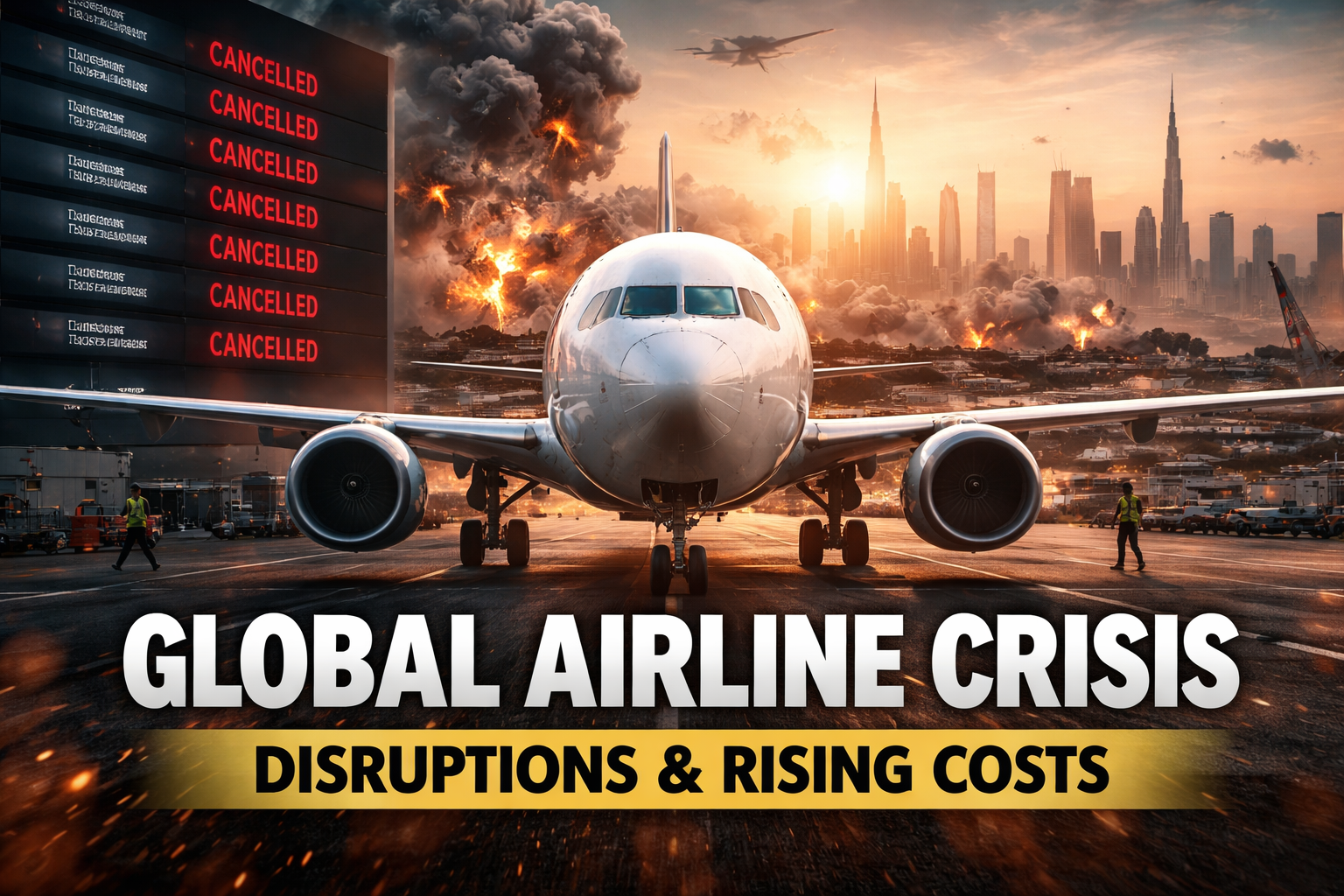
Dubai, UAE — In 2026, the airline industry around the world is experiencing a rough time as geopolitical tension, the increase in the cost of fuel, and operational restrictions intertwine in distorting air travel globally. Although the large aviation hubs such as Dubai are stable and active, airlines in all continents are being compelled to change quickly to a more complex environment.
The aviation industry is experiencing stress due to increased route distance, increased fares, and time constraints. According to the industry leaders, even though safety cannot be compromised, the passengers and businesses are equally experiencing the effects of the continuous global developments.
Restricted and high risk airspace is one of the largest issues that are currently affecting airlines. The current Israel-Hamas War has affected the flight operations in a large scale in some regions of the Middle East. Moreover, increased tensions between Iran have rendered some of the air routes commercially sensitive due to Iran.
These areas are currently being shunned by airlines as precaution and this result in long and more intricate flight routes. Trade routes linking Europe and Asia, which have always taken through some sections of the Middle East are being bypassed. This has increased flight time by 30 minutes and few hours, depending on the destination.
The continuous advisories issued by the authorities in aviation and international regulators have caused airlines companies to focus more on safety than on efficiency. Such changes, although needed, have had a ripple effect on the schedules of flights worldwide.
The other significant cause that led to the present state of airline is the aviation fuel price surge. Geopolitical instabilities have contributed to volatile oil markets around the world directly affecting the cost of running an airline.
Fuel happens to be one of the highest costs to the airlines and even minimum fluctuations can have a tremendous impact on profitability. The increased price of fuel in 2026 has pushed many carriers to raise the cost of tickets in the domestic and international routes.
The passengers are experiencing an increase in fares especially in long-haul flights that have also been rerouted. Industry analysts hypothesize that the airlines might still end up transferring these expenses to travellers as long as the fuel prices do not stabilize.
Some of the best carriers like Emirates, Qatar Airways and Etihad Airways have applied various measures to deal with the situation.
These are flight schedule optimization, route adjustment and operational efficiency. The airlines are also working on the aspects of customer trust by making sure that customers are told the truth about delays, schedule changes.
Nonetheless, airlines assure that their passengers are their first priority even in case of disruptions. Flights are under close surveillance and real-time modification changes are done according to latest intelligence and regulatory directives.
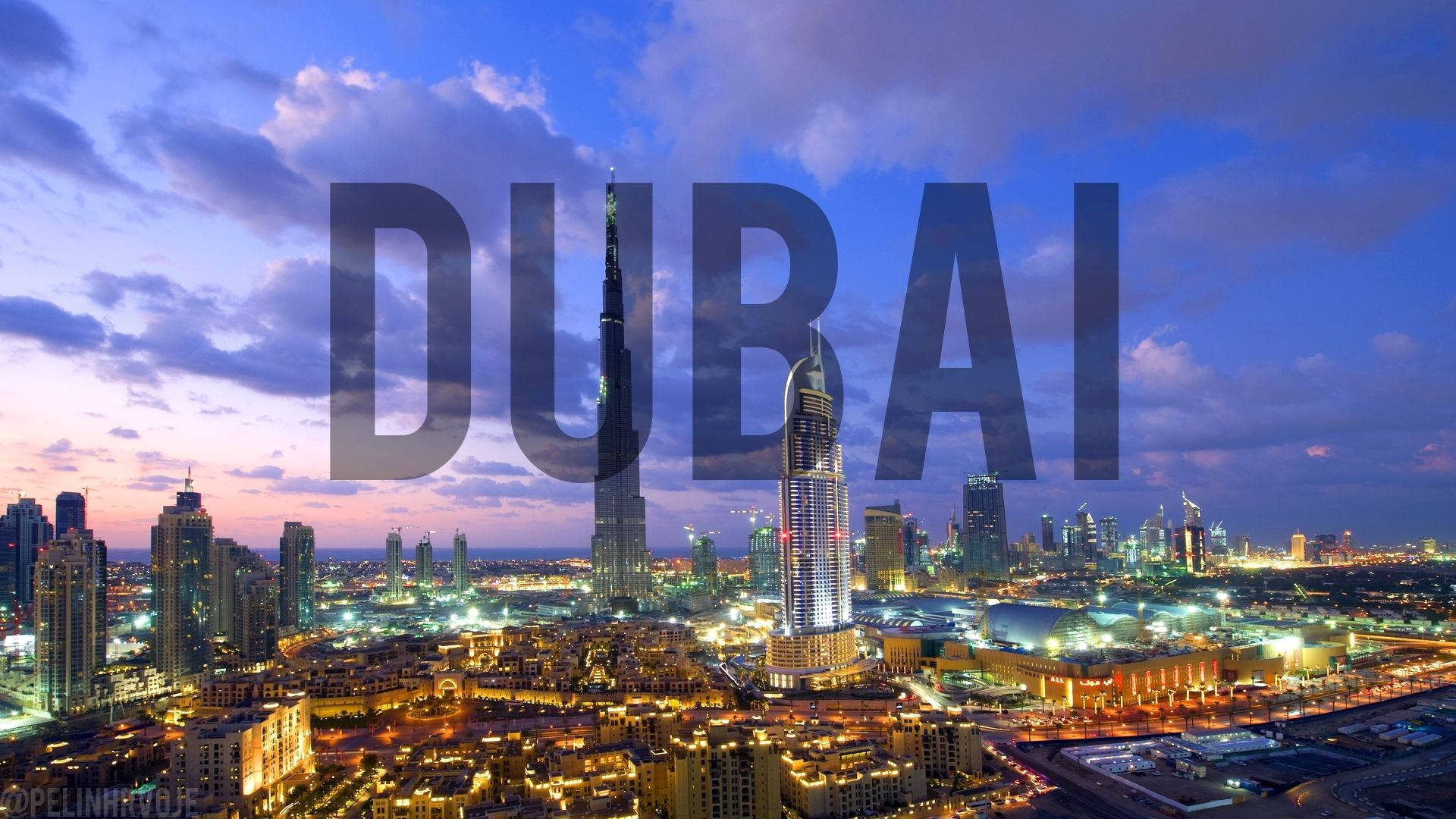
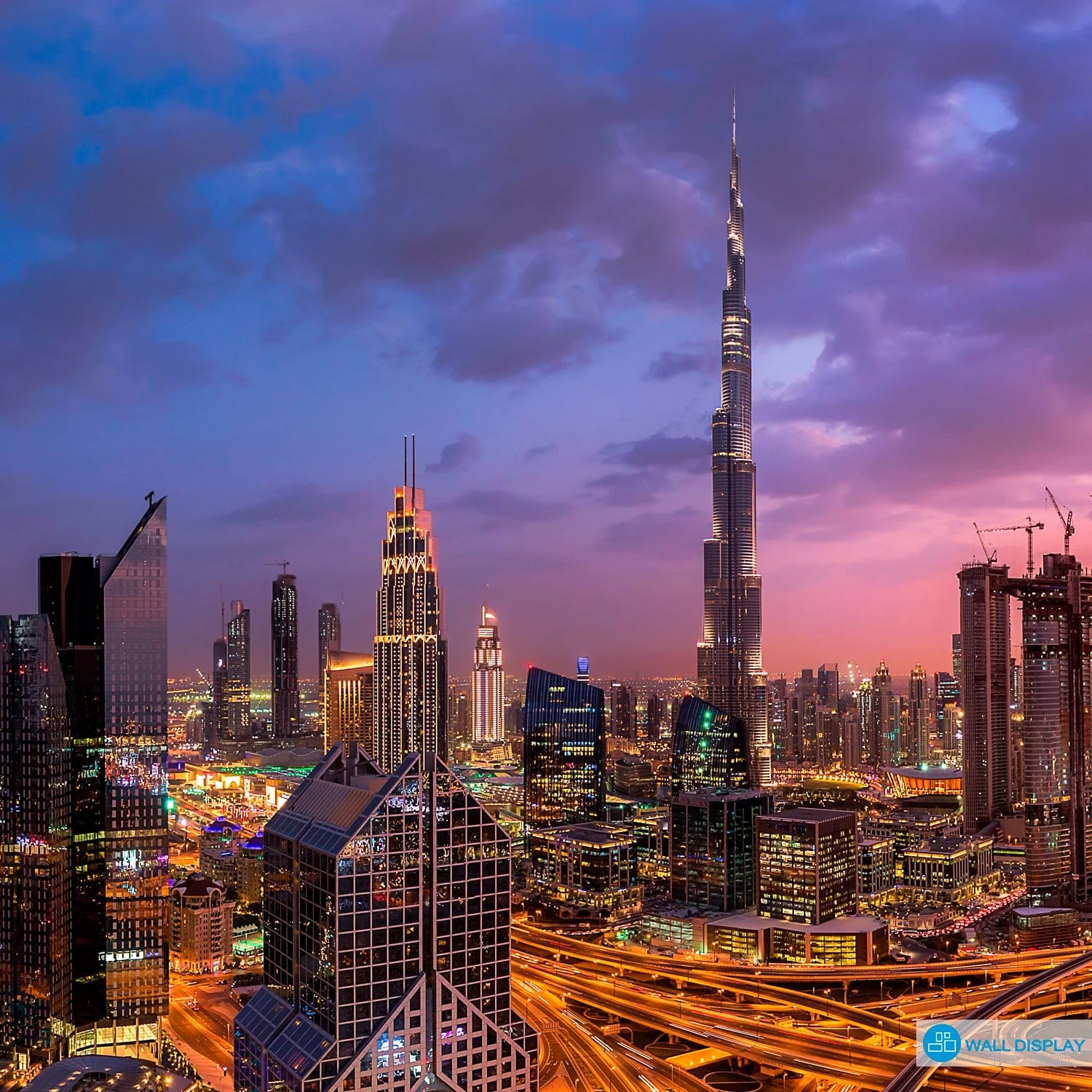
Dubai has remained a consistent and safe aviation center against the background of global uncertainty. Airports like the Dubai International Airport are also at full capacity and are receiving a consistent number of international passengers and cargo.
The United Arab Emirates has ensured sufficient security and a non-partisan diplomatic policy, which means that it is not directly affected by the war. This consistency has strengthened the capacity of Dubai as an important transit destination in the world.
Dubai is still used to provide connections between the East and the West by airlines who enjoy its strategic positioning and high-level infrastructure.
To the travelers, the consequences of the present airline scenario are becoming more conspicuous. Rerouting has become a common occurrence, particularly on the flights between Europe and Asia because of the increase in flight time.
Moreover, our passengers are experiencing increased costs of tickets, the decrease of the flight availability on specific routes, and the instances of the last-minute rescheduling. Delays are also being occasioned by airport congestion in certain areas.
Travel specialists are urging passengers to reserve in advance, give themselves more time to make a connection and keep in touch with the status of their flights. Adaptability has become a necessity to maneuver the present day travelling climate.
Global trade is also being affected by the disruption in the operations of the airlines. Air cargo that is important to transport high-value products and items that need timely delivery is facing delays because of long routes and high costs.
Logistic companies are changing their operations in response to these difficulties, although the general price of air freight has increased. This has implication to industries such as e-commerce as well as pharmaceuticals.
Dubai is also a critical link in the world supply chain with its sophisticated logistics facilities. Nevertheless, even large hubs are not completely shielded by the larger issues of concern in the aviation industry.
The global aviation industry is still concerned with safety as its highest priority. Airlines and aviation bodies are in collaboration to keep a close watch on geopolitical events and amend operations with the same.
Strict adherence to international guidelines, real time monitoring of the air space and enhanced surveillance systems are contributing to safe travels. This does not mean that these measures will not have a role in increasing the travel time; however, they are necessary to ensure that the global aircraft industry is not compromised.
The passengers will be assured that even in cases of disruptions, the airlines are making all the necessary precautions to guarantee safe journeys.
Going forward, the geopolitical dynamics and developments in the fuel prices will greatly determine the recovery and stability of the airline industry. In case the situation in the major areas is relaxed, airlines can potentially reestablish more direct operations and cut down on operational expenses.
Nevertheless, the uncertainty still prevails, which might extend the existing difficulties. The industry scholars are of the view that airlines will have to be flexible and innovative in order to survive the changing environment.
The investments in fuel-efficient aircrafts, alternative energy sources and advanced technologies are likely to be the major determinant of the future of aviation.
The world airline sector of 2026 is dealing with one of the most complicated phases in the recent years. The geopolitical tensions, increase in fuel costs, and challenges in its operations are pushing airlines to change rapidly in order to stay afloat.
Although interruptions are touching the travel times, the cost of tickets and logistics, key hubs such as Dubai still offer a feeling of reliability and connectivity.
The strength of the aviation industry will be put to test as the scenario unfolds. Until then, flexibility, planning and awareness are the words that should be considered more than ever in the air travel of the world by airlines, passengers and business.
Stay ahead of global news and trends with DubaiTalkies.com — your trusted source for real-time updates, insights, and stories that matter.
This article is for informational purposes only and based on current global trends and publicly available data. Situations related to aviation and geopolitical events, including the Israel–Hamas War, may change rapidly.
Readers are advised to verify updates with official airline and government sources before making travel or business decisions. References to locations like Dubai are for context only. The publisher is not responsible for any actions taken based on this content.













)




Comments
No comments yet. Be the first to comment!